- The Room Three
- 5

My Supermarket Simulator 3D
Screwdom
456 Run Challenge: Clash 3D
Block Blast!
Jewel Blast : Temple
Fruit Merge: Juicy Drop Game
Papa's Freezeria To Go!
Poppy Playtime Chapter 2
Poppy Playtime Chapter 1
Pokemon Go
Toca Life World
Roblox
Angry Birds Friends
slither.io
Forspoken
Dying Light 2 Stay Human















Developer:
Fireproof GamesLatest Version:
1.08Updated on:
Nov 7, 2022File Size:
31M
Install To Phone
Choose a platformThe games on our website are sourced from the App Store and Google Play. No viruses, no malware, you can download them through the recommended download links.
The Room Three: A Puzzle Adventure Worth Every Locked Door
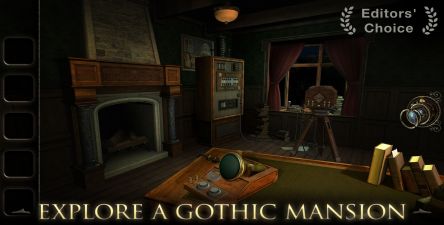
The Room Three is a 2015 puzzle adventure game developed by Fireproof Games, released first for iOS in November of that year before landing on Android and Microsoft Windows. I've played through the whole Room series more than once, and this third entry is the one I point people toward when they ask where to start. It takes the tactile box-fiddling the studio built its name on and stretches it across a full island instead of a single tabletop.
You're lured to a remote island and end up locked inside a mansion, working through a series of interconnected rooms tied to a mysterious substance called the Null. What surprised me on my second playthrough is how much the structure had changed since The Room Two. Instead of one linear path, you're bouncing between train cars, prison cells, and library shelves, each one a self-contained puzzle box with its own logic.
This piece breaks down what the game actually asks of you, how the difficulty compares to earlier entries, where you can legally play it now, and what the ending choices mean. I'll also flag the parts that trip up new players, because a couple of the later chapters genuinely stump people who breezed through the first two Room games.
What Is The Room Three About?
The Room Three follows an unnamed protagonist summoned to Grey Holm, a mansion on an isolated island, by an enigmatic figure called The Craftsman. The plot picks up directly after The Room Two, and longtime players will recognize the Null as the connective tissue running through the whole series. You're not just solving puzzles for their own sake here, there's a real narrative pull toward finding out what The Craftsman actually wants.
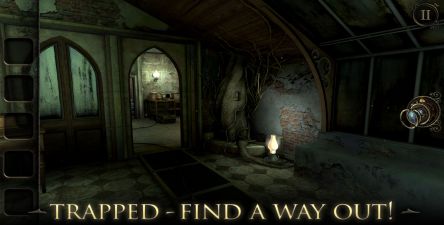
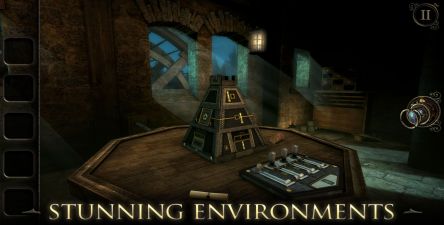
What makes this entry different from the first two games is scale. Rather than a single ornate box sitting on a desk, you move through five distinct locations built like miniature dioramas, each disguised as something mundane (a train compartment, a lighthouse, a library) that unfolds into a puzzle mechanism once you start turning dials and sliding panels.
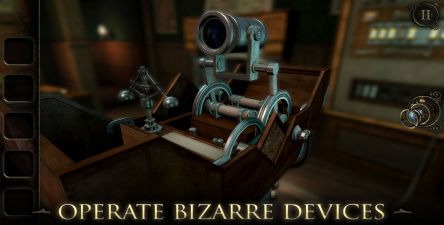
The eyepiece mechanic returns too, letting you peer into another dimension to spot hidden symbols and shift objects between states. In practice, that tool is the first thing I tell new players to lean on whenever a room seems to have no obvious next step.
Is The Room Three Difficult?
The Room Three sits a notch above The Room Two in difficulty, and it's the hardest entry in the original trilogy. The early chapters ease you in with familiar lock-and-key logic, but by the midpoint the game starts layering mechanisms on top of each other so that solving one panel just reveals a second, less obvious puzzle underneath it.
What trips up new players most isn't any single fiendish puzzle, it's the game's habit of hiding the next interactive element in plain sight. You'll rotate a piece, get a satisfying click, and assume you're done, when really that click just unlocked a tiny switch three inches away that you hadn't even registered as clickable.
The best players I've seen treat every surface as suspicious. If a panel has a seam, a rivet, or a slightly different texture, it probably opens. There's an in-game hint system if you get stuck for too long, and I'd rather players use it once or twice than bounce off the game entirely out of frustration.
Where Can I Play The Room 3?
The Room Three is available on iOS, Android, and Microsoft Windows through Steam. It first released for iOS in November 2015, followed by an Android launch in January 2016, and it arrived on PC via Steam in November 2018.
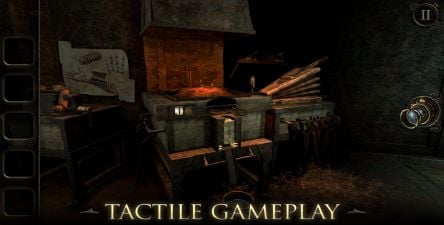
Mobile is the platform this game was designed around, since the touch-based dragging, rotating, and pinching feels closest to handling a real object. The PC version works fine with a mouse, but I still find the phone and tablet versions more satisfying because of how tactile the controls feel.
The game has continued receiving small updates over the years, with the most recent build sitting at version 1.08, so whichever platform you pick you're getting a stable, polished release rather than something abandoned after launch.
How Many Chapters Does The Room Three Have?
The Room Three is divided into five main chapters, each centered on a different puzzle box environment inside or connected to Grey Holm. Progress isn't strictly linear either, since the game lets you shuttle between certain chapters using a central hub area once you've unlocked the right pathways.
Each chapter escalates in complexity and introduces at least one new mechanical gimmick you haven't seen before, whether that's a rotating drum, a sliding rail system, or a puzzle that spans two physical objects at once.
Rough chapter breakdown players ask about most:
- Chapter 1: The Vault, introducing the mansion's central mechanism
- Chapter 2: The Grand Library, packed with book-based ciphers
- Chapter 3: A train car puzzle sequence with shifting compartments
- Chapter 4: A prison-themed room with layered lock mechanisms
- Chapter 5: The final confrontation tying back to the Null and The Craftsman
Can You Get All The Endings in The Room 3?
The Room Three has four distinct endings, and yes, you can see all of them, though not in a single playthrough since your choices in the final chapter lock you into one path at a time. The endings hinge largely on decisions you make in Grey Holm and in the closing moments of the last room.
This branching finale was new for the series at the time and it's still one of the things that sets The Room Three apart from its sequels. Rather than a single fixed conclusion, the game rewards players who pay close attention to the story's hints about The Craftsman's true nature.
If you want to see every ending, the practical approach is finishing the game once, then replaying just the final chapter with different choices, since the branch point comes late enough that you don't need to redo the whole mansion each time.
Is The Room 4 a Sequel to The Room Three?
Yes, The Room 4: Old Sins is a direct continuation of the series released years after The Room Three, though it shifts focus to a new dollhouse-based setting rather than picking up Grey Holm's story beat for beat. Fireproof Games has kept the Null mythology running through every entry, so returning players will recognize recurring symbols and lore threads.
You don't strictly need to finish The Room Three before playing The Room 4, but I'd recommend it anyway. The atmosphere and puzzle philosophy carry over enough that jumping straight to the fourth game means missing context that makes the whole series click into place.
For anyone working through the series in order, The Room Three is the entry that raised the production values noticeably, with sharper lighting, more elaborate room designs, and voice-acted narration that the earlier games didn't lean on nearly as much.
Frequently Asked Questions
Is The Room Three difficult?
It's the hardest game in the original trilogy, with layered mechanisms that hide secondary puzzles inside the ones you just solved. It's manageable for newcomers thanks to a built-in hint system, but expect a few genuine head-scratchers in the later chapters.
Is The Room 4 a sequel?
Yes, The Room 4: Old Sins continues the series after The Room Three, moving the action to a new dollhouse-style setting while keeping the same Null mythology and puzzle-box mechanics.
What is The Room Three?
It's a 2015 puzzle adventure game by Fireproof Games where you're lured to a mansion on a remote island and must solve a series of interlocking mechanical puzzles to uncover the truth about The Craftsman and the Null.
Where can I play The Room 3?
The Room Three is available on iOS, Android, and Microsoft Windows (via Steam), having launched on mobile first in late 2015 and 2016, then on PC in 2018.
Can you get all the endings in The Room 3?
Yes, there are four endings determined by choices made toward the end of the game. You can't see all of them in one run, but replaying just the final chapter with different decisions lets you experience each one.











Similar Games
Samkok: New Force
Snake Clash!
Kpop Piano Beats - Music Game
Friday Night Funkin'
Buildit
Sprunki Beat: Full Mod Music
Conquer Countries
Gossip Harbor: Merge & Story
Carnival Tycoon: Idle Games
Music Piano 7: Rush Song Games
Kingshot
My Talking Tom Friends 2
Goods Puzzle: Sort Challenge
I Am Security
Last War:Survival Game
mo.co
Block Crazy Robo World
Color Block Jam





Reviews
No comment yet !