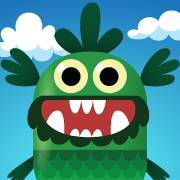
- Teach Your Monster to Read
- 4.3

My Supermarket Simulator 3D
Screwdom
456 Run Challenge: Clash 3D
Block Blast!
Jewel Blast : Temple
Fruit Merge: Juicy Drop Game
Papa's Freezeria To Go!
Poppy Playtime Chapter 2
Poppy Playtime Chapter 1
Pokemon Go
Toca Life World
Roblox
Angry Birds Friends
slither.io
Forspoken
Dying Light 2 Stay Human



Developer:
Teach Your MonsterLatest Version:
4.1Updated on:
November 3, 2020File Size:
72M
Install To Phone
Choose a platformThe games on our website are sourced from the App Store and Google Play. No viruses, no malware, you can download them through the recommended download links.
Teach Your Monster to Read: A Parent's Guide to the Phonics Game
Teach Your Monster to Read is a phonics game built around a simple hook: kids design their own monster, then send it through a string of mini games that teach letter sounds and blending. It launched in 2012, is made by the nonprofit Teach Your Monster (backed by the Usborne Foundation), and now runs on Android, iOS, and browser.
I've sat with enough five and six year olds in front of this game to know what actually holds their attention versus what parents assume will. The monster customization is not filler, it is the reason kids come back for a second and third session. What follows is a straight look at how the game teaches, what it costs, and where it fits next to other reading tools.
Is Teach Your Monster to Read aligned with the science of reading?
Teach Your Monster to Read leans on systematic synthetic phonics, which is the core method the science of reading research backs. Kids learn individual letter sounds first, then practice blending those sounds into whole words, which is the same sequence phonics-based classroom programs use.
Where it gets closer scrutiny is depth. The game covers phoneme recognition, blending, and simple sight words well, but it is not a substitute for explicit instruction in things like morphology or connected-text fluency once a child moves past early readers. In practice, I'd treat it as a strong supplement that reinforces classroom phonics rather than a standalone curriculum. Teachers I've talked to use it for extra reps during small-group rotations, not as the whole reading block.
How does Teach Your Monster to Read actually teach reading?
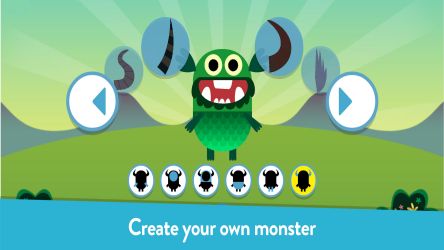
The game structures learning around a monster creation screen followed by a sequence of islands, each built around a specific phonics skill. A child picks eyes, fur color, and accessories for their monster, then that same monster pilots a hot air balloon between mini games.
Each mini game targets a narrow skill so kids aren't juggling five concepts at once. That narrow focus is what makes the pacing work for younger players who lose interest fast.
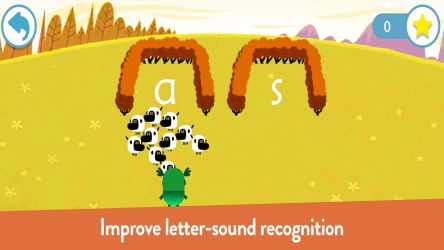
- Letter-sound recognition through matching and popping activities
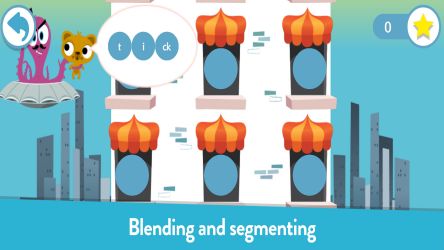
- Blending sounds into two and three letter words
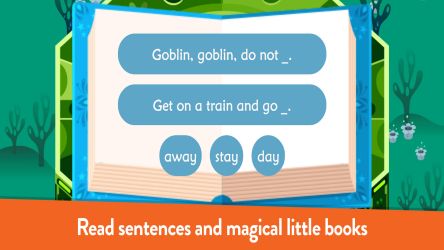
- Simple sentence reading with picture support
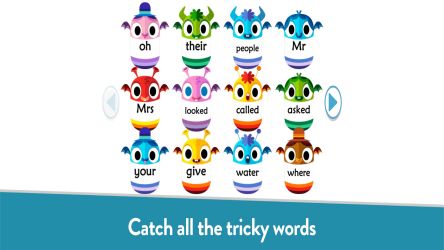
- Sight word practice for common irregular words
- Short comprehension checks tied to a story ending
What is the difference between Teach Your Monster to Read, 2, and 3?
The original Teach Your Monster to Read targets early phonics, roughly ages 3 to 6, and covers the alphabetic code through blending simple words. Teach Your Monster to Read 2 (marketed in some regions as First Steps content extended) pushes into more complex spelling patterns and longer sentences for kids who've cleared the basics.
Teach Your Monster to Read 3 continues that progression toward fluent short-passage reading and comprehension. If a child breezes through the first game in a few weeks, moving to the sequel keeps the difficulty curve from flattening out, which is where a lot of phonics apps lose kids: they max out the challenge too early and the child coasts without learning anything new.
Is Teach Your Monster to Read free, and what does it cost?
Teach Your Monster to Read is a paid app on Google Play and the App Store, typically priced as a one-time purchase rather than a subscription. The organization behind it also runs a free browser-based version and free classroom resources through its site, which is worth checking before assuming you need the paid app.
Cost varies by platform and region, so check the current listing on Google Play or the App Store before buying. Schools and libraries can often access it through separate licensing, and the developer's own site lists options for home use versus classroom use.
How do you play Teach Your Monster to Read for free, and how does login work?
The free route runs through the browser version hosted on the developer's own site, where a child can create a monster and play without a paid download. A login or saved profile lets progress carry over between sessions, which matters more than it sounds, since young kids get discouraged if they have to redo early levels every time.
On mobile, the paid app stores progress locally or through an account tied to the app store purchase. If a child switches between a tablet and a browser, progress typically doesn't sync automatically unless the same login is used, so it's worth settling on one platform early rather than bouncing between them.
What other games does Teach Your Monster make, and are they worth it?
Teach Your Monster Number Skills applies the same monster-and-mini-games format to early math instead of phonics, covering counting, number recognition, and basic operations. It's built by the same team, so the interface and pacing will feel immediately familiar to a kid who already played the reading game.
For families or classrooms already using the reading app, the number skills title is an easy next step rather than a new learning curve. I'd still treat each title as a supplement rather than a full curriculum, since neither one replaces structured teaching, they just make the practice repetitions less of a chore.
Frequently Asked Questions
Is Teach Your Monster to Read aligned with the science of reading?
Yes in its core method: it teaches systematic synthetic phonics, moving from letter sounds to blending to simple words, which matches what science-of-reading research supports. It works best as a supplement to explicit classroom instruction, not a full replacement.
How do you teach reading step by step using this game?
The game sequences skills from single letter sounds, to blending two and three letter words, to simple sentences with picture support, then basic sight words and short comprehension checks. Kids progress through islands tied to each skill rather than jumping around.
Is Teach Your Monster to Read free?
The mobile apps on Google Play and the App Store are paid, usually a one-time purchase. A free browser-based version and free educational resources are available through the developer's own website.
What's the difference between Teach Your Monster to Read, 2, and 3?
The first game covers early phonics basics for roughly ages 3 to 6. The second and third titles progress into more complex spelling patterns, longer sentences, and fluent short-passage reading for kids who've mastered the fundamentals.
Does progress carry over if you play both the free and paid versions?
Not automatically. Progress is generally tied to whichever platform and login you're using, so switching between browser and app without the same account can mean starting fresh.



Similar Games
Samkok: New Force
Snake Clash!
Kpop Piano Beats - Music Game
Friday Night Funkin'
Buildit
Sprunki Beat: Full Mod Music
Conquer Countries
Gossip Harbor: Merge & Story
Carnival Tycoon: Idle Games
Music Piano 7: Rush Song Games
Kingshot
My Talking Tom Friends 2
Goods Puzzle: Sort Challenge
I Am Security
Last War:Survival Game
mo.co
Block Crazy Robo World
Color Block Jam




Reviews
No comment yet !