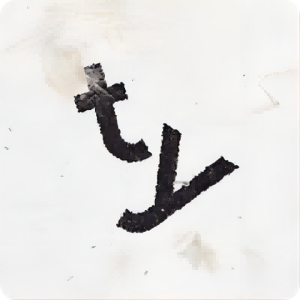
- supertype
- 5

My Supermarket Simulator 3D
Screwdom
456 Run Challenge: Clash 3D
Block Blast!
Jewel Blast : Temple
Fruit Merge: Juicy Drop Game
Papa's Freezeria To Go!
Poppy Playtime Chapter 2
Poppy Playtime Chapter 1
Pokemon Go
Toca Life World
Roblox
Angry Birds Friends
slither.io
Forspoken
Dying Light 2 Stay Human









Developer:
Philipp StollenmayerLatest Version:
2.05Updated on:
Sep 8, 2021File Size:
42.7 MB
Install To Phone
Choose a platformThe games on our website are sourced from the App Store and Google Play. No viruses, no malware, you can download them through the recommended download links.
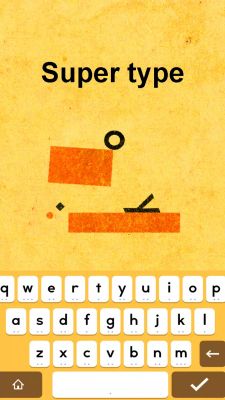
Supertype: The Physics Puzzle Game Built From Letters
Supertype is a physics-based puzzle game built by Philipp Stollenmayer, the designer behind Yankai's Peak and Behind Motorcycle, where every letter of the alphabet becomes a falling, tumbling, weighted object you have to steer through a level. It launched on iOS and Android and has quietly built a following among players who like their puzzle games quiet, tactile, and a little strange.
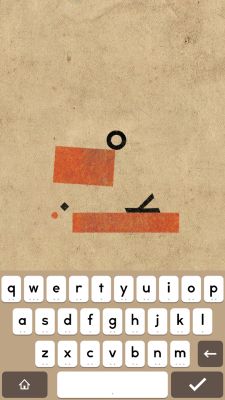
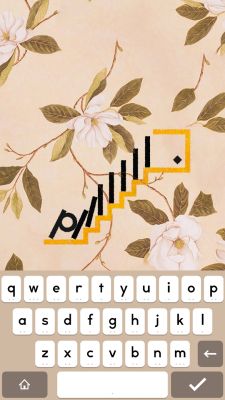
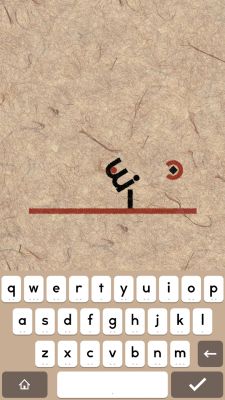
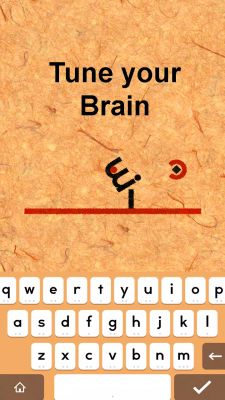
There's no score counter screaming at you and no timer ticking down. Instead you get typography treated like real objects: a lowercase i has to balance its dot, a capital P is top-heavy and falls a certain way, and the shape of each letter dictates how it rolls, slides, or wedges into a gap. It sounds like a gimmick until you're twenty levels in and genuinely thinking about the physical geometry of the alphabet.
In practice this makes Supertype one of the more distinctive puzzle games on mobile right now. It's not trying to be the next match-three or the next endless runner. It's a small, focused idea executed with a lot of craft, and that's exactly why it keeps getting recommended in "hidden gem" lists on both app stores.
What Is Supertype and How Does It Play?
Supertype is a single-player puzzle game where you manipulate falling letterforms to solve physics-based challenges across more than 100 levels. You tilt, drop, and rotate letters, using their actual shapes as the puzzle mechanic rather than abstract blocks or tiles.
Each level presents a scene where a letter needs to fall, land, or fit somewhere specific. The game's whole hook is that it treats the alphabet as physical matter. A round o rolls smoothly, an s wobbles unpredictably, and a wide W has to be caught just right or it topples. What trips up new players early on is assuming every letter behaves the same way. It doesn't, and learning each letter's quirks is most of the fun.
Who Developed Supertype and When Was It Released?
Supertype was developed by Philipp Stollenmayer under the Kamibox label, an independent German developer known for small, mechanically inventive puzzle titles. The game has been updated over multiple versions since launch, with version 2.05 released in September 2021 adding polish and level refinements.
Stollenmayer has a track record of turning an unusual physical concept into a full game, and Supertype fits that pattern. It's not a studio production with a marketing budget behind it. It's closer to a solo-developer passion project that found an audience through word of mouth and app store curation.
What Platforms Can You Play Supertype On?
Supertype is available on Android through Google Play and on iOS through the Apple App Store. There is no official browser or desktop version, so anyone searching for a way to play Supertype online through a web browser is generally out of luck unless a third-party emulator site has mirrored it, which isn't something I'd recommend trusting.
- Android (Google Play)
- iOS (Apple App Store)
How Many Levels Does Supertype Have?
Supertype ships with over 100 levels, each one built around a different letter or a different physical challenge tied to that letter's shape. The developer's own description leans on that number directly, framing the game as having a lot of content packed into small, bite-sized puzzles.
The levels escalate gradually. Early ones teach you the basic tilt-and-drop controls, while later ones combine multiple letters or add obstacles that force you to think about momentum and balance rather than just aim. The best players I've seen treat each stage like a tiny experiment: nudge, watch how the letter reacts, adjust.
Is Supertype Difficult or Relaxing to Play?
Supertype leans relaxing rather than punishing. The pacing is described by its own developer as zen-like, and there's no fail-fast pressure pushing you to restart constantly. That said, the later levels do ask for genuine spatial reasoning once multiple letters or trickier shapes come into play.
It's a game you can pick up for five minutes or sink into for an hour, which is part of why reviewers keep pointing out that it distracts you from everything else going on around you for a little while. That's a real compliment for a mobile puzzle game, most of which are built to be abandoned after thirty seconds.
How Does Supertype Differ From Other Word or Letter Games?
Supertype isn't a word game in the traditional sense. It has nothing to do with spelling, vocabulary, or word searches. Instead it uses the visual form of letters as a puzzle mechanic, which puts it closer to physics sandbox games like Cut the Rope than to something like Wordscapes.
This distinction trips up a lot of people searching for it, since "type" in the name suggests typing or word skills. What you're actually getting is a meditation on letterform geometry: how an f is shaped differently from a t, and how that shape decides whether it rolls into a gap or gets stuck.
Frequently Asked Questions
What is Supertype the game about?
Supertype is a physics puzzle game where you guide falling letters through levels using their real shapes, developed by Philipp Stollenmayer and available on iOS and Android.
Can I play Supertype online in a browser?
There's no official browser version. Supertype is built and distributed as a mobile app for Android and iOS, so the official way to play is through Google Play or the App Store.
How many levels are in Supertype?
Supertype includes more than 100 levels, each centered on a different letter or physical puzzle challenge.
Is Supertype related to database supertypes and subtypes?
No. Database supertype and subtype terminology, used in entity-relationship modeling to describe generalized and specialized entities, is a completely unrelated concept from data modeling, not the mobile puzzle game.
Is Supertype a good game for casual players?
Yes. Its relaxed pacing, short levels, and forgiving difficulty curve make it easy to play in short bursts, though later levels do require real spatial thinking.







Similar Games
Samkok: New Force
Snake Clash!
Kpop Piano Beats - Music Game
Friday Night Funkin'
Buildit
Sprunki Beat: Full Mod Music
Conquer Countries
Gossip Harbor: Merge & Story
Carnival Tycoon: Idle Games
Music Piano 7: Rush Song Games
Kingshot
My Talking Tom Friends 2
Goods Puzzle: Sort Challenge
I Am Security
Last War:Survival Game
mo.co
Block Crazy Robo World
Color Block Jam




Reviews
No comment yet !