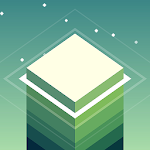
- Stack
- 4.2

My Supermarket Simulator 3D
Screwdom
456 Run Challenge: Clash 3D
Block Blast!
Jewel Blast : Temple
Fruit Merge: Juicy Drop Game
Papa's Freezeria To Go!
Poppy Playtime Chapter 2
Poppy Playtime Chapter 1
Pokemon Go
Toca Life World
Roblox
Angry Birds Friends
slither.io
Forspoken
Dying Light 2 Stay Human












Developer:
KetchappLatest Version:
3.5Updated on:
November 20, 2020File Size:
43 MB
Install To Phone
Choose a platformThe games on our website are sourced from the App Store and Google Play. No viruses, no malware, you can download them through the recommended download links.
Stack: The One-Tap Block Tower Game That Still Holds Up
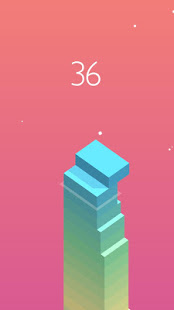
Stack is a one-tap block-stacking game published by Ketchapp, first released in 2016 and still sitting on phones years later because the idea is that simple. You tap to drop a moving block onto the tower below it, and if your timing is off, the overhang gets sliced away. Miss too much and the platform you have left to build on shrinks until there is nothing left to land on.
The game has gone through a few version bumps since launch (the build referenced here is version 3.5, weighing in around 43 MB), but the core loop has not changed and does not need to. This piece covers how Stack actually plays, the habits that separate a score of 20 from a score of 200, and answers the questions people search for around the word 'stack' itself, since the term gets used for everything from a pile of dishes to a computer science concept.
What is Stack the game and how do you play it?
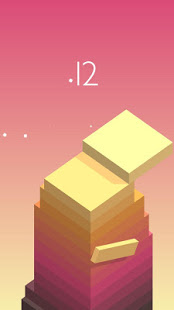
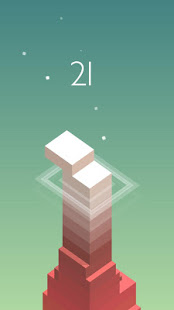
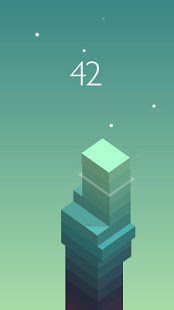
Stack is a single-input arcade game: one tap places a block, and the game does the rest. A block slides back and forth above your current tower, and tapping the screen drops it into place. Land it perfectly aligned with the block below and the tower gets a fraction wider (a small bonus that helps your margin for error later). Land it off-center and the overhanging part is cut off, shrinking the platform for your next drop.
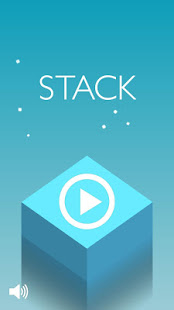
There's no menu to dig through and no tutorial to sit through either. The game starts moving the instant you open it, which is exactly the kind of pick-up-and-play design Ketchapp built its whole catalog around.
What does 'stack' mean in this context versus everyday use?
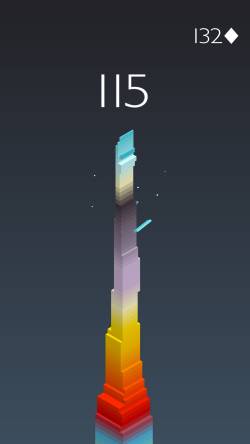
In the game, a stack is literally the tower of blocks you're building, one on top of the last. That matches the plain-English sense of the word: a pile of objects, neatly arranged, like a stack of boxes or a stack of plates.
The word shows up in a very different context in computing, where a stack is an abstract data structure that adds and removes items from one end only (last in, first out). Programmers also use 'stack' to describe a technology stack, the layered set of tools used to build an app. None of that overlaps with what you're doing in Ketchapp's game. It just borrows the same everyday word because you're piling blocks on top of each other.
- Everyday meaning: a neat pile of objects
- Game meaning: the tower you build block by block
- Computing meaning: a last-in-first-out data structure used in software
What tricks actually raise your score in Stack?
The single biggest fix for most new players is watching the edge of the block, not the middle. In practice, your eyes want to track the center of the falling piece, but the cut happens at the edge, so training yourself to glance at where the block overhangs the tower gives you a much better read on timing.
Rhythm matters more than reflexes here. The best players I've seen settle into a steady tapping cadence early and stick with it rather than reacting block by block, since the moving piece speeds up as your tower grows and a consistent internal rhythm adapts more smoothly than trying to react fresh each time.
Perfect placements are worth chasing even though they're riskier, because each one keeps your platform at full width, or grows it slightly, which buys you room to recover from an average tap later. A tower that's been shaved down to a sliver leaves almost no margin for error, so protecting width early pays off far more than most players expect.
What platforms is Stack available on?
Stack runs on iOS and Android as a mobile app from Ketchapp, and browser versions of the same block-stacking concept are also playable on gaming portals without an install. The mobile build stores locally, launches straight to gameplay, and needs a phone screen size compatible with modern iOS or Android devices to run its listed 3.5 version.
- iOS (App Store)
- Android (Google Play)
- Browser-based versions on gaming portals
Why has Stack stayed popular years after release?
Stack works because the skill ceiling is real even though the rules fit in one sentence. Anyone can drop a block on their first try, but stringing together a long run of near-perfect placements takes genuine practice, and that gap between 'easy to start' and 'hard to master' is what keeps a simple game replayable.
It also helped define the hyper-casual genre that Ketchapp built a whole publishing strategy around: single-mechanic games, instant restarts, and a score you're always chasing to beat. Stack is one of the cleanest examples of that formula actually working, which is why it still gets recommended in 'best simple mobile games' conversations.
How is Stack different from similar block-stacking games?
Stack strips the genre down to its bare mechanic: one block, one tap, one direction of movement. Competitors in the same space, like Coolmath's browser version of the concept, run the same core idea but differ in visual style, speed curve, and how forgiving the early levels are.
The Ketchapp version leans on simple, clean graphics and a fast restart loop rather than added modes or currency systems, which keeps sessions short. If you've played one block-stacking game, Stack will feel instantly familiar, but the timing window and acceleration curve are tuned a bit differently, so old habits from another version won't transfer perfectly.
Frequently Asked Questions
Who developed Stack?
Stack was developed and published by Ketchapp, a studio known for simple, single-mechanic mobile games.
Is Stack free to play?
Stack is available through the App Store and Google Play as a standard Ketchapp mobile title, with browser versions of the same concept also playable on gaming sites.
What happens if I miss a block completely in Stack?
If a block misses the tower entirely with no overlap left, the run ends and your score locks in at your current tower height.
Does Stack get harder as you play?
Yes. The moving block speeds up as your tower grows taller, which is the main source of difficulty rather than any change in rules.
What is stack in real life?
In everyday language, a stack is simply a neat pile of objects placed on top of each other, like a stack of plates or a stack of hay. The game borrows this same idea, just with falling blocks instead of household objects.









Similar Games
Samkok: New Force
Snake Clash!
Kpop Piano Beats - Music Game
Friday Night Funkin'
Buildit
Sprunki Beat: Full Mod Music
Conquer Countries
Gossip Harbor: Merge & Story
Carnival Tycoon: Idle Games
Music Piano 7: Rush Song Games
Kingshot
My Talking Tom Friends 2
Goods Puzzle: Sort Challenge
I Am Security
Last War:Survival Game
mo.co
Block Crazy Robo World
Color Block Jam




Reviews
No comment yet !