
- Sonic 4 Episode I
- 4.2

My Supermarket Simulator 3D
Screwdom
456 Run Challenge: Clash 3D
Block Blast!
Jewel Blast : Temple
Fruit Merge: Juicy Drop Game
Papa's Freezeria To Go!
Poppy Playtime Chapter 2
Poppy Playtime Chapter 1
Pokemon Go
Toca Life World
Roblox
Angry Birds Friends
slither.io
Forspoken
Dying Light 2 Stay Human














Developer:
SEGALatest Version:
1.5.0Updated on:
April 4, 2016File Size:
37M
Install To Phone
Choose a platformThe games on our website are sourced from the App Store and Google Play. No viruses, no malware, you can download them through the recommended download links.
Sonic 4 Episode I: A Player's Guide to Sonic's 2D Comeback
Sonic the Hedgehog 4: Episode I is a 2D platform game developed by Dimps with help from Sonic Team, published by SEGA, and released on October 7, 2010. It picks up right after Sonic & Knuckles, dropping Sonic back into side-scrolling zones to stop Doctor Eggman one more time.
I remember booting this up back in 2010 expecting a straight return to the Genesis days, and what you actually get is a more modern engine wearing classic clothes. That distinction matters a lot for how the game feels in your hands, and it's the thing most write-ups gloss over.
This guide covers where the game sits in the timeline, what platforms still run it, how the zones stack up, and whether it's worth your time now that the Sonic Origins era has reshaped how people revisit these games.
Is Sonic 4 Episode 1 Canon?
Yes, Sonic the Hedgehog 4: Episode I is canon within the mainline Sonic timeline, positioned as a direct sequel to Sonic & Knuckles (1994). The story picks up with Eggman rebuilding his empire and Sonic setting out to stop him again, a simple setup that Sonic Team never really expanded on afterward.
In practice, the game treats its own plot as an afterthought. There's barely a cutscene to speak of, just a title card and a boss fight to close each zone. Longtime fans who wanted a proper narrative bridge between the Genesis era and the modern games came away a little disappointed, and that criticism has followed the game ever since.
What Platforms Is Sonic 4 Episode I Available On?
Sonic 4 Episode I launched across a wide set of platforms including Android, iOS, Microsoft Windows, Xbox 360, PlayStation 3, and Wii. It first hit consoles and mobile in late 2010 before making its way to Steam a bit later.
What trips up new players today is availability. Digital storefronts have shuffled the game around over the years, and mobile versions have received their own patches independent of the PC build, including the 1.5.0 update from April 2016 that mainly addressed compatibility on newer Android devices.
- Android and iOS (mobile touch controls)
- Microsoft Windows via Steam
- Xbox 360 (Xbox Live Arcade)
- PlayStation 3 (PlayStation Network)
- Wii (WiiWare)
When Did Sonic 4 Episode I Release?
Sonic the Hedgehog 4: Episode I released on October 7, 2010, following an announcement earlier that year that framed it as a true numbered sequel for the first time since Sonic & Knuckles. SEGA marketed the wait heavily, leaning on the '16 years' gap since the last mainline entry.
That marketing push is part of why the reception felt so mixed at launch. Expectations were sky high, and a game built by a mobile-focused studio in Dimps had a lot to prove against nostalgia for the Genesis trilogy.
How Does Sonic 4 Episode I Play Compared to the Classic Games?
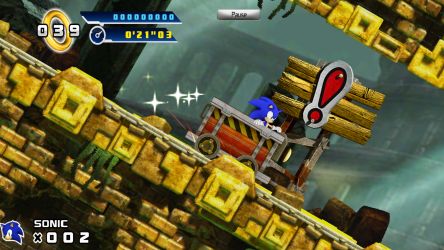
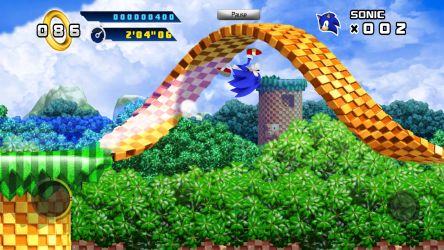
Sonic 4 Episode I uses the Spin Dash and the Homing Attack together, blending classic movement with a mechanic borrowed from the 3D era. Levels are built around collecting rings, chaining spin attacks through enemies, and reaching a Zone's boss within a handful of Acts.
The best players I've seen treat momentum differently here than in the Genesis games. Physics feel slightly heavier, and the Homing Attack lets you skip sections that classic Sonic would have demanded a precise roll or jump for. It's not a bad system, it's just a different one, and reviewers at the time pointed out that the blend didn't always feel intentional rather than convenient.
What Zones Are in Sonic 4 Episode I?
Sonic 4 Episode I contains four main Zones, each split into multiple Acts followed by a boss fight against an Eggman machine. The Zones lean hard on visual and mechanical callbacks to Genesis-era Sonic stages.
If you've played the originals, the influences are obvious within seconds of each stage.
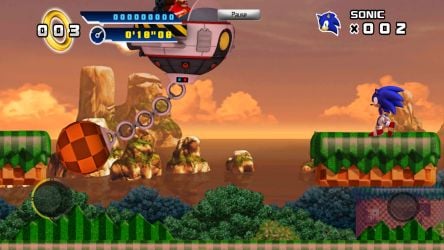
- Splash Hill Zone, echoing Green Hill Zone's look and layout
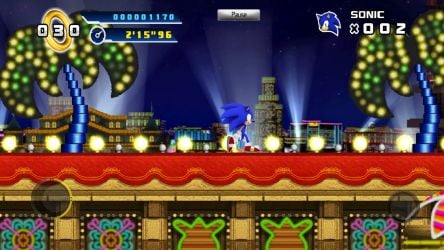
- Casino Street Zone, a pinball-and-neon callback to Casino Night and Spring Yard
- Lost Labyrinth Zone, a torch-lit ruins stage with slower platforming
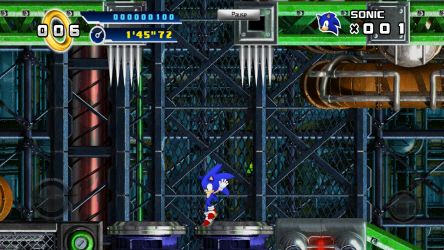
- Mad Gear Zone, an industrial finale zone before the final Eggman confrontation
Should You Play Sonic 4 Episode I in 2026?
Sonic 4 Episode I is still worth a look for anyone curious about how SEGA tried to bridge classic and modern Sonic design, though it's fair to go in with tempered expectations. Aggregate critic scores landed in the mid-range at launch, and community sentiment has stayed mixed since, with some fans calling the level design uninspired compared to what came before and after.
Where it holds up is as a short, focused platformer you can finish in an afternoon. Where it doesn't hold up is originality. Episode II, released in 2012, addressed a lot of the physics complaints by adding a buddy character and refining momentum, so if you play Episode I and want more, that's the natural next step.
One thing worth mentioning for anyone coming to it fresh: the Zone-based structure holds up better on mobile than people expect, since the touch controls got several rounds of refinement after launch. If you're going in for nostalgia rather than a definitive classic experience, that's the right frame of mind to bring.
Frequently Asked Questions
Is Sonic 4 Episode 1 canon?
Yes. It's treated as a direct sequel to Sonic & Knuckles within the official Sonic timeline, even though its story is minimal.
What platforms is Sonic 4 Episode I on?
It released on Android, iOS, Windows (Steam), Xbox 360, PlayStation 3, and Wii.
Who developed Sonic 4 Episode I?
Dimps developed the game with assistance from Sonic Team, and SEGA published it in 2010.
How many zones does Sonic 4 Episode I have?
Four zones: Splash Hill, Casino Street, Lost Labyrinth, and Mad Gear, each with multiple Acts and a boss fight.
Is Sonic 4 Episode I connected to Episode 2?
Yes, Episode II is a direct continuation released in 2012 that refined the physics and added Tails as a playable companion.










Similar Games
Samkok: New Force
Snake Clash!
Kpop Piano Beats - Music Game
Friday Night Funkin'
Buildit
Sprunki Beat: Full Mod Music
Conquer Countries
Gossip Harbor: Merge & Story
Carnival Tycoon: Idle Games
Music Piano 7: Rush Song Games
Kingshot
My Talking Tom Friends 2
Goods Puzzle: Sort Challenge
I Am Security
Last War:Survival Game
mo.co
Block Crazy Robo World
Color Block Jam






Reviews
No comment yet !