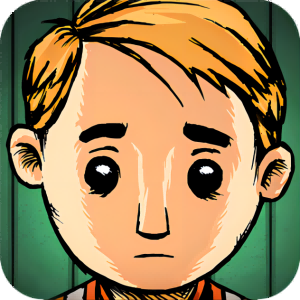
- My Child Lebensborn
- 5

My Supermarket Simulator 3D
Screwdom
456 Run Challenge: Clash 3D
Block Blast!
Jewel Blast : Temple
Fruit Merge: Juicy Drop Game
Papa's Freezeria To Go!
Poppy Playtime Chapter 2
Poppy Playtime Chapter 1
Pokemon Go
Toca Life World
Roblox
Angry Birds Friends
slither.io
Forspoken
Dying Light 2 Stay Human








Developer:
Sarepta Studio ASLatest Version:
1.7.102Updated on:
Aug 15, 2022File Size:
77M
Install To Phone
Choose a platformThe games on our website are sourced from the App Store and Google Play. No viruses, no malware, you can download them through the recommended download links.
My Child Lebensborn: A Parenting Game That Doesn't Flinch
My Child Lebensborn is a 2018 social simulation game from Sarepta Studio AS in which you raise a child born of a Norwegian mother and a German soldier in the years right after World War II. It launched first on mobile before reaching PC and consoles, and it has stuck around because it does something most parenting games avoid: it lets the world be cruel to your kid, and it makes you decide how to respond.
I've played a lot of nurture and life sims over the years, and most of them settle for cute animations and light choices. This one sits you down with a history most players never learned in school, the treatment of Lebensborn children in postwar Norway, and turns it into daily decisions about breakfast, bullying, and bedtime stories. It's uncomfortable in the way good historical fiction is uncomfortable, and that's exactly the point.
What Is My Child Lebensborn About?
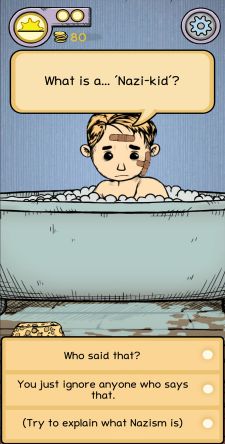
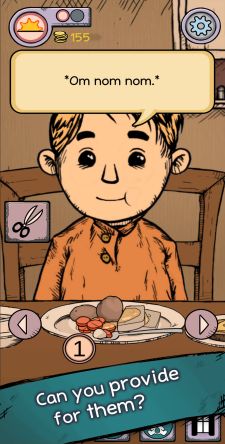
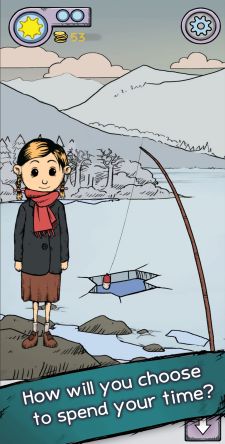
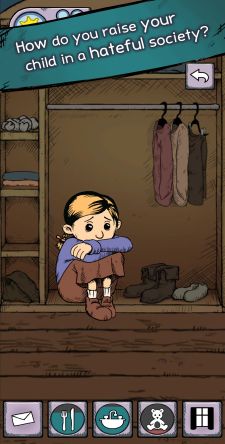
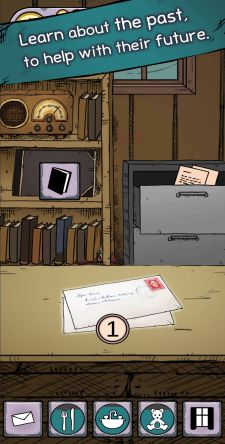
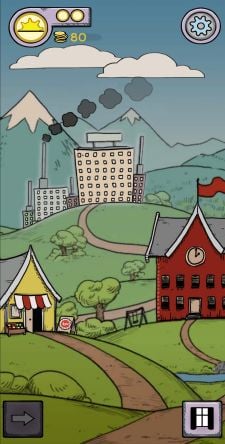
My Child Lebensborn is a story-driven nurture game where you play the adoptive parent of a war child in late-1940s Norway. You manage the household budget, cook meals, comfort your child after school, and make dialogue choices that shape their confidence, trust in you, and mental state over time.
The setup draws directly from real postwar history. Children of Lebensborn program mothers and German fathers were frequently ostracized, and the game's writing leans on documented accounts rather than invented drama. What trips up new players is expecting a typical Tamagotchi loop; here, neglecting a single conversation can visibly damage the child's wellbeing for the rest of the playthrough.
Do Klaus and Karin Have the Same Story?
No, Klaus and Karin do not experience identical storylines even though the core structure is the same. You choose to adopt either a son (Klaus) or a daughter (Karin), and the game adjusts certain scenes, dialogue, and social pressures based on gender, since boys and girls faced different treatment in the historical setting the game recreates.
The big story beats, school bullying, community judgment, wartime backstory, appear for both. But the details of how classmates target them and how certain side characters react shift depending on which child you're raising. Players who run the game twice, once with each child, tend to notice the tonal differences more than the plot differences.
How Long Does It Take to Play My Child Lebensborn?
A single playthrough of My Child Lebensborn typically runs 4 to 6 hours from adoption to the child's later childhood years. That's short compared to most life sims, and it's deliberate; the developers built it as a focused narrative experience rather than an open-ended management game.
In practice, most of that time goes to reading dialogue and making choices rather than grinding mechanics. If you're aiming to see multiple endings, budget extra hours for a second or third run, since key choices early on lock in outcomes you won't see unfold until much later.
What Platforms Can You Play My Child Lebensborn On?
My Child Lebensborn is available across mobile, PC, and console platforms. It originally launched on iOS and Android before expanding.
Current platform options include:
- iOS
- Android
- Windows via Steam
- Nintendo Switch
- PlayStation 4
- Xbox One
How to Play My Child Lebensborn for Free or Online?
There's a My Child Lebensborn LITE version on Google Play that lets you sample the opening chapters at no cost before deciding whether to buy the full release. It's the closest thing to a free entry point, and it covers enough of the early parenting loop to give you a real feel for the tone.
Searches for 'My Child Lebensborn online' mostly point people toward browser listings or mobile app pages rather than an actual in-browser version; the game is built as a native mobile, PC, and console title, not a web app. If you want the full experience with all chapters and endings, plan on picking it up through the App Store, Google Play, Steam, or your console's storefront.
What Endings Does My Child Lebensborn Have?
My Child Lebensborn branches into multiple endings determined by the cumulative choices you make about discipline, affection, honesty, and how you handle the child's questions about their father. The endings range from the child growing into a resilient, secure adult to outcomes where unresolved trauma follows them into adulthood.
The best players I've seen treat every small interaction as part of a running total rather than isolated events. Consistency across dozens of small choices, not one dramatic decision, is what tips the story toward a hopeful ending or a bleaker one.
Is My Child Lebensborn Based on a True Story?
Yes, My Child Lebensborn is grounded in real history rather than being a direct biography of one person. The Lebensborn program placed children born to Norwegian mothers and German soldiers during the occupation, and those children faced documented discrimination in Norway for decades afterward.
The game compiles that broader historical reality into a single fictional family so it can be explored interactively. It received recognition for this approach, including a BAFTA Games Award nomination for Game Beyond Entertainment, which reflects how seriously the writing and research were handled.
Frequently Asked Questions
Who developed My Child Lebensborn?
Sarepta Studio AS developed the game, working with Teknopilot AS and East2West Games on publishing across different regions and platforms.
When did My Child Lebensborn release?
It originally released on May 8, 2018, first on mobile platforms before expanding to PC and consoles.
Is there a sequel, My Child Lebensborn 2?
The franchise continued with My Child: New Beginnings, a follow-up that carries the nurture-sim format into a new setting rather than a direct numbered sequel.
What genre is My Child Lebensborn?
It's best described as a narrative-driven social simulation with adventure and light role-playing elements, built around dialogue choices and daily caregiving decisions.
Does the game have a age recommendation?
Given its subject matter, bullying, wartime trauma, and social ostracism, it's better suited to teens and adults who can engage with heavier historical themes rather than young children.


Similar Games
Samkok: New Force
Snake Clash!
Kpop Piano Beats - Music Game
Friday Night Funkin'
Buildit
Sprunki Beat: Full Mod Music
Conquer Countries
Gossip Harbor: Merge & Story
Carnival Tycoon: Idle Games
Music Piano 7: Rush Song Games
Kingshot
My Talking Tom Friends 2
Goods Puzzle: Sort Challenge
I Am Security
Last War:Survival Game
mo.co
Block Crazy Robo World
Color Block Jam




Reviews
No comment yet !